
MUVS News
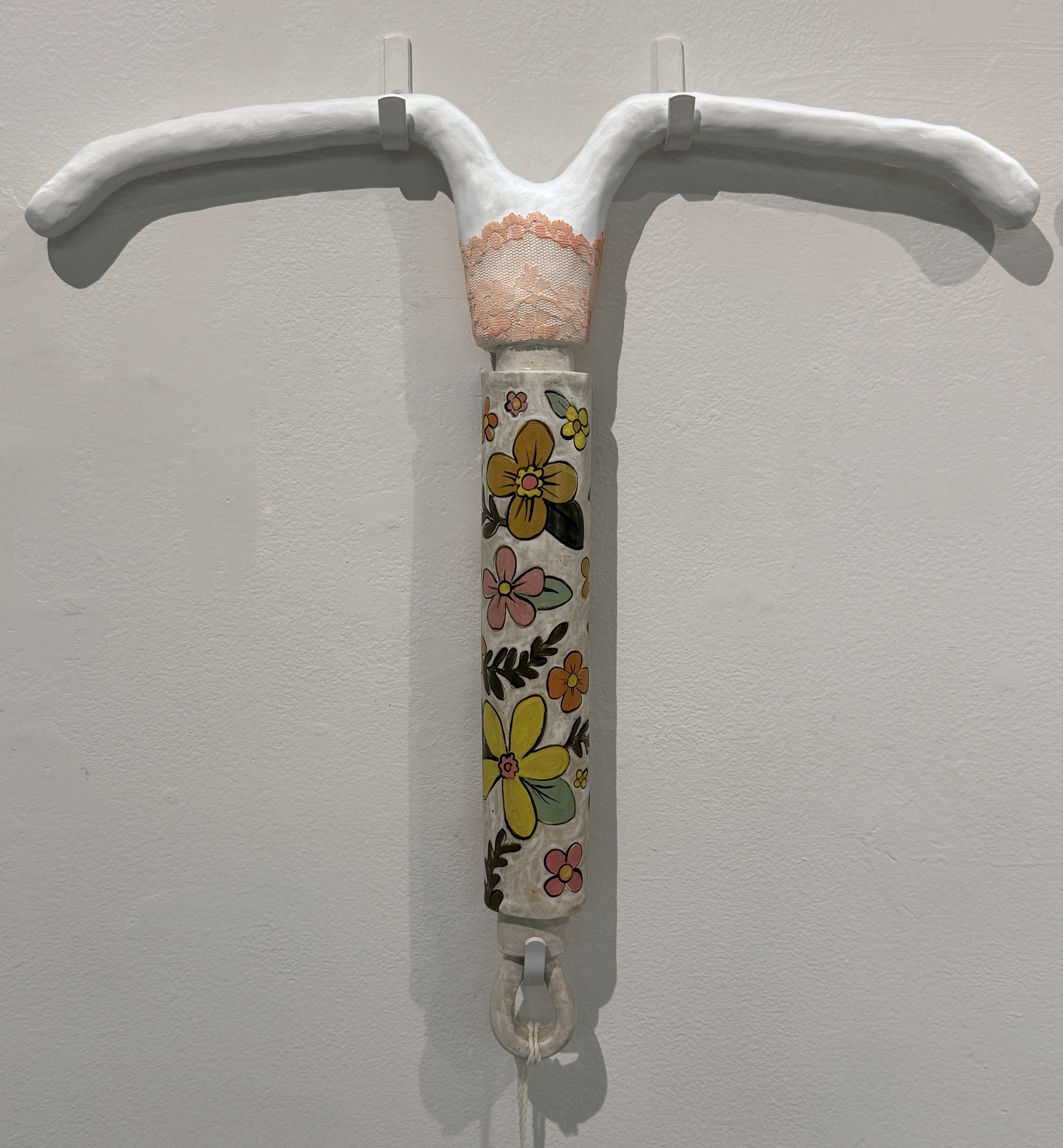
Lauren Doorish: Art & Feminist Activism
Currently, Lauren Doorish of Texas Woman’s University in Denton, Texas, is recreating the various models of IUD (contraceptive coils) from the period 1960 to 1980 using ceramics.
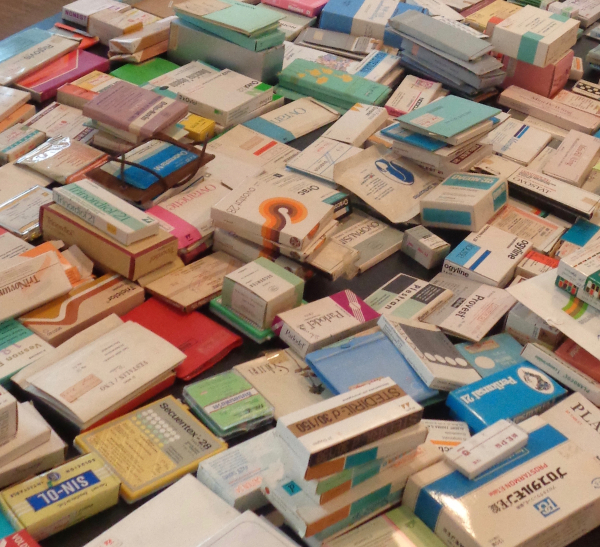
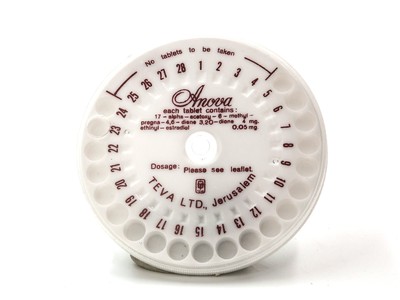
The colourful life of the birth control pill
MUVS’ pill collection is probably the largest in the world. Anyone who casts an eye over it will spot that, in addition to providing guidance on correct and regular use, the designs have other goals: camouflage, appreciation, idealisation and perhaps also a dash of the pure joy of creativity.
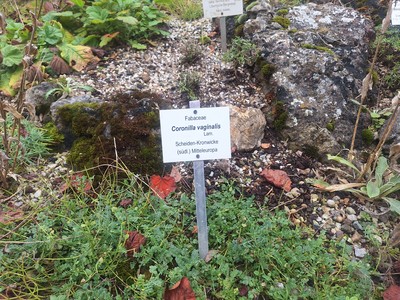
Surprise, surprise: sexual names for plants and animals!
A walk in the fresh air through the Botanical Garden of the University of Vienna is always healthy, is beautiful in any season... and is, sometimes, surprising – for instance, when you come across a plant by the name of Coronilla vaginalis, colloquially known as the small scorpion vetch. It’s not that it looks erotic; rather, it’s the name that is puzzling!
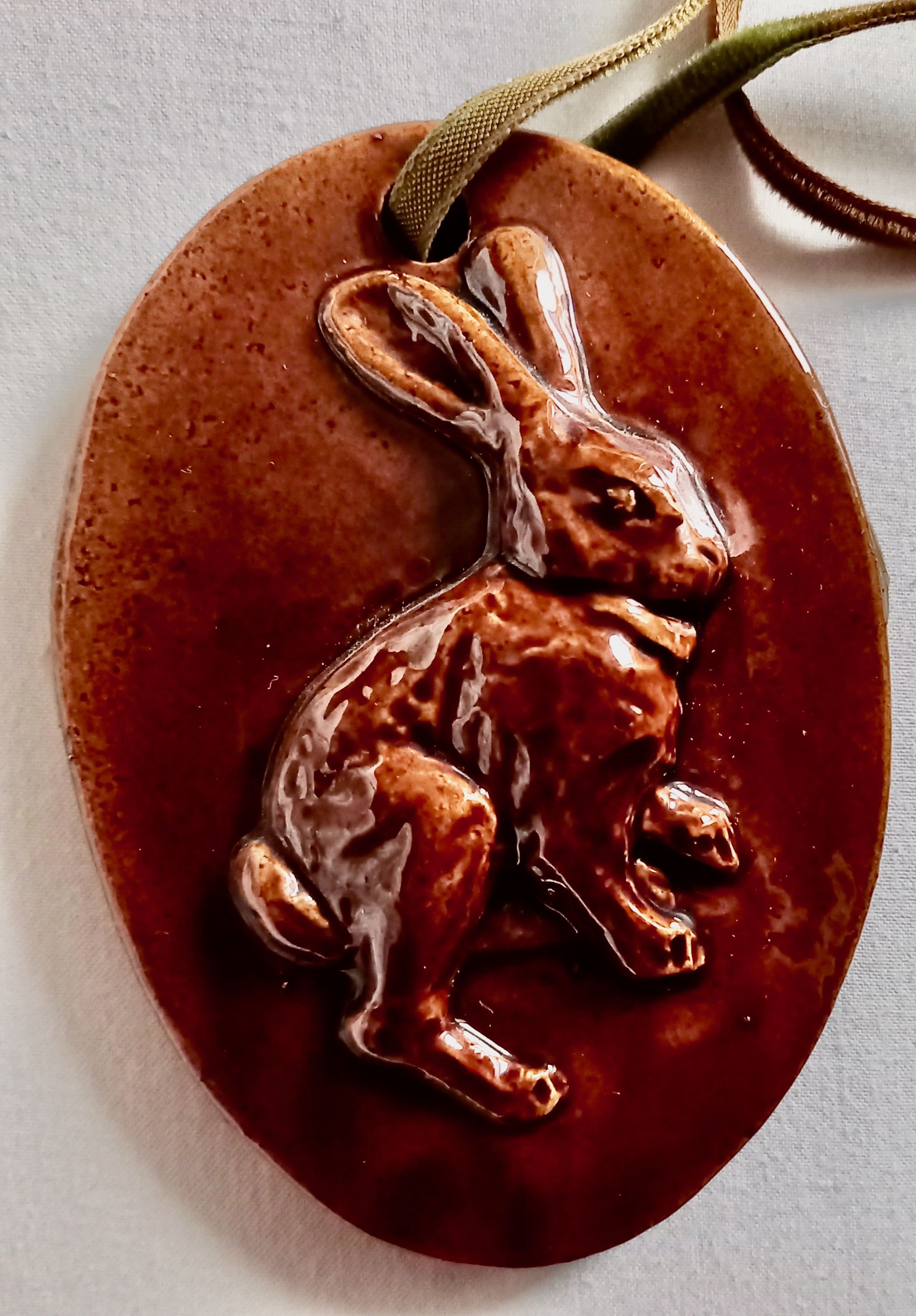
The fertile Easter bunny
“The rabbit was a symbol of fertility – accordingly, it was also imputed with the legend of laying Easter eggs – and this was the reason for the choice of name.” Probably our object is a votive offering seeking, or seeking to avoid, being blessed with (too many) children, but we can only speculate.